
Home Lighting Automation Systems: What They Actually Do (and Whether You Need One)
Niket Kapur • 8 April 2026


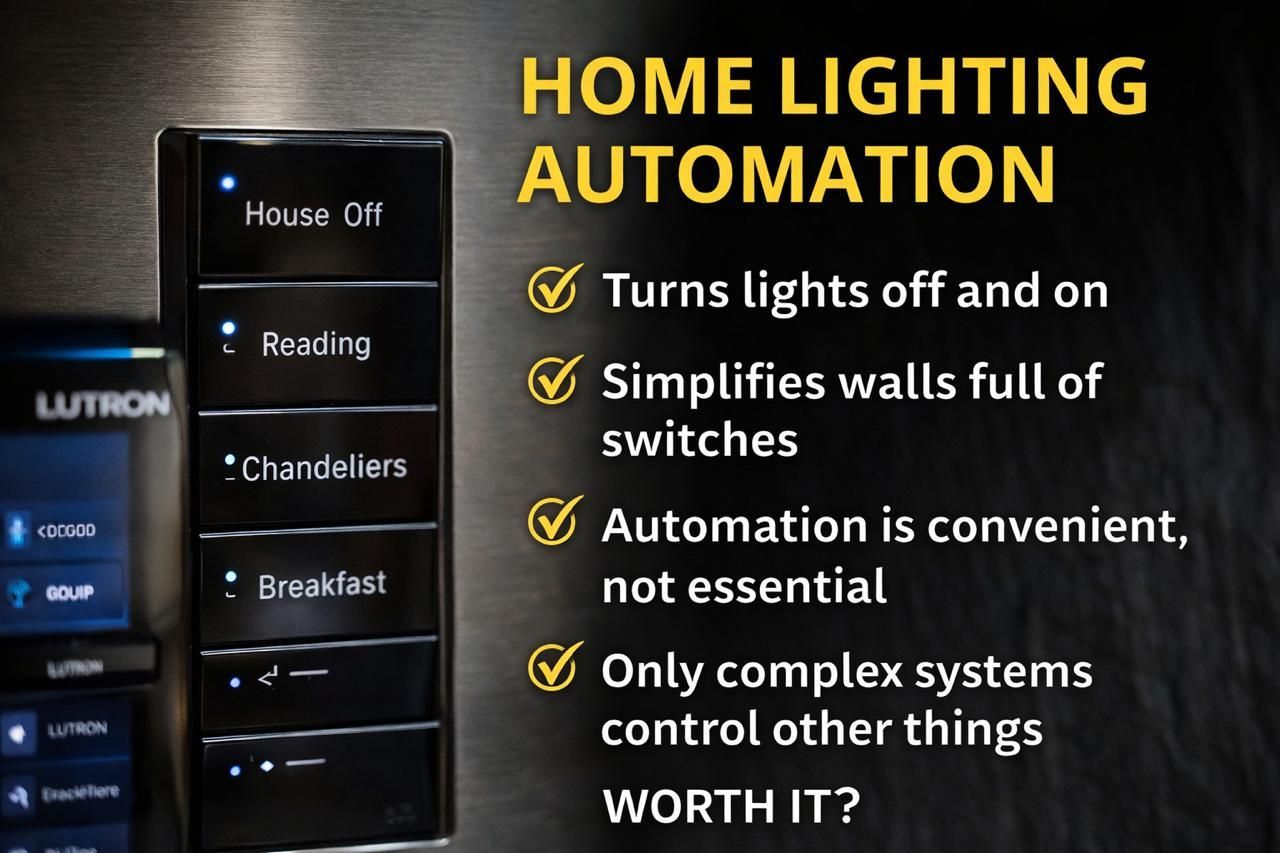
When people think about lighting automation, they often jump straight to systems like Lutron, Rako or Control4.


There is an assumption that these systems are essential to achieving good lighting.


They are not.


Good lighting comes from good design. Automation simply sits on top and makes it easier to use.


What Do Lighting Automation Systems Actually Do?


·        Turn lights on and off


·        Dim lights


·        Group lights together


·        Allow control from switches, phones, tablets and remotes


More advanced systems allow scene setting such as 'Evening', 'Dining', or 'All off'.


The Real Benefit: Simplicity, Not Technology


The biggest benefit is simplification.


·        Fewer switches


·        Cleaner walls


·        Simpler operation


The Reality: Most Features Are Rarely Used


In most homes, people simply turn lights on and off and occasionally dim them. Many advanced features remain unused.


You Can Achieve a Lot Without Automation


·        Good circuit design


·        Lamps on a 5-amp circuit


·        Well-positioned switches


·        Basic dimmers


This often delivers most of the benefit at a much lower cost.


When Simple Systems Are Enough


·        Wireless switching systems


·        Basic scene controllers


·        App-controlled lighting


When More Advanced Systems Make Sense


More complex systems are valuable when they control more than just lighting.


·        Lighting


·        Heating and cooling


·        Blinds and curtains


·        Audio and video


·        Security and alarms


·        Door entry and gates


The Main Systems on the Market


·        Lutron – high quality, excellent dimming


·        Rako – flexible and cost-effective


·        Control4 – full home automation


·        Crestron – high-end bespoke systems


·        Loxone / KNX – engineering-led flexible systems


Key Differences


·        Lighting-only vs whole-house control


·        Complexity varies significantly


·        Cost ranges from modest to very high


·        Different systems suit different project types


Wired vs Wireless


·        Wireless – easier install, good for retrofits


·        Wired – more reliable, ideal for new builds


Final Thought


Lighting automation is useful, but it is not the starting point. Design first. Control second.


Next Steps


If you are planning a renovation or new build, focus first on lighting design and circuits, then decide the level of control required.

by Niket Kapur 8 April 2026
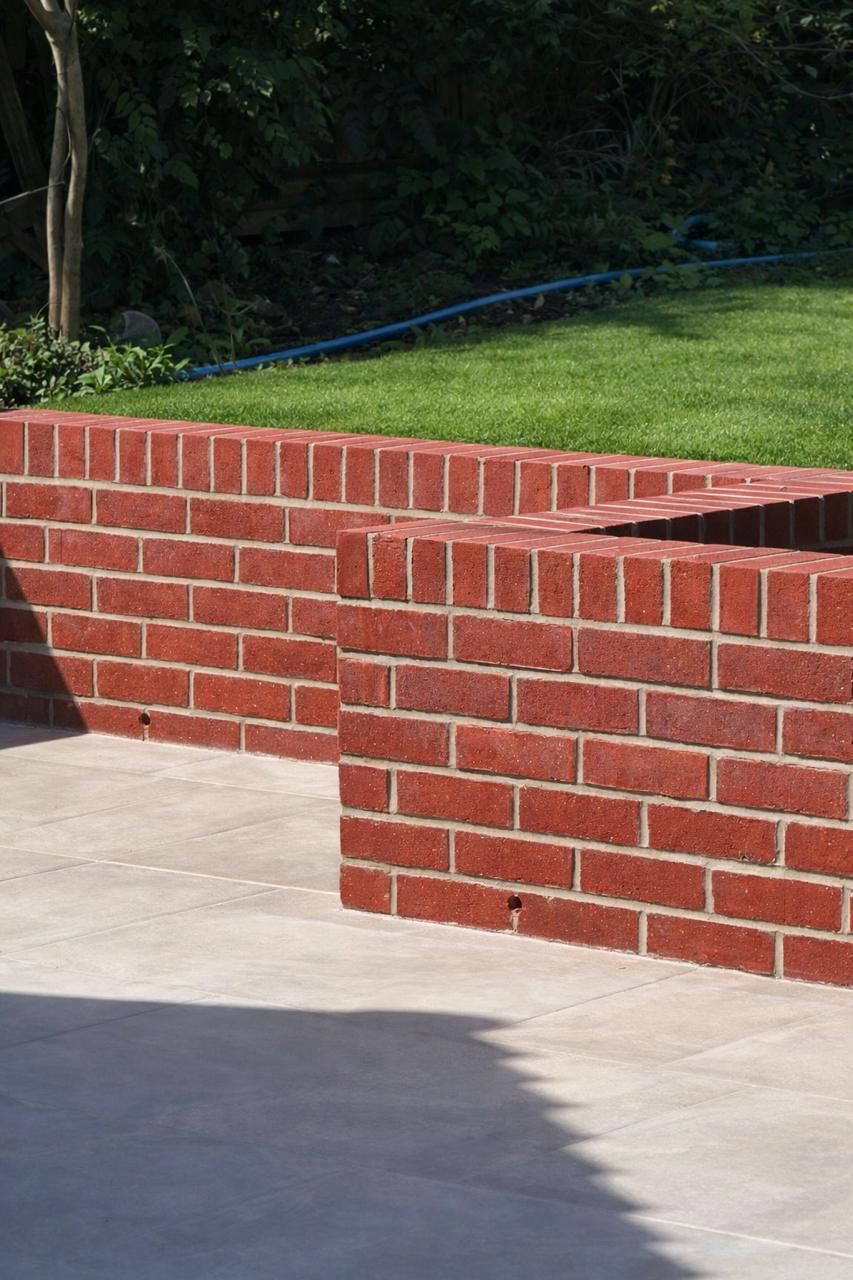
Introduction In many residential projects, the garden is left until the very end. It is often not properly planned, rarely designed or engineered, and in most cases receives little or no supervision. As a result, important structural elements such as retaining walls are treated as simple landscaping features rather than engineered structures. Many contractors either omit drainage entirely or introduce it later as an additional cost, often charging significantly more once the need becomes apparent. This is where problems begin.  The Real Issue: Water, Not Soil A retaining wall is not simply holding back soil. It is holding back water pressure within the soil. When soil becomes saturated: - Its weight increases significantly - It begins to exert hydrostatic pressure - Stability reduces over time - Pressure builds continuously behind the wall This process is gradual and often invisible. The wall may appear sound initially, but over time you may see: - Cracking - Bulging or bowing - Leaning - Eventual structural failure Why a French Drain Is Critical A French drain is the primary system used to manage water behind a retaining wall. What it consists of: - A perforated pipe positioned at the base of the wall - Clean, free-draining gravel surrounding the pipe - A geotextile membrane to prevent clogging - A suitable fall leading to a safe discharge point What it does: - Intercepts groundwater before it builds pressure - Channels water away from the structure - Keeps the retained soil in a stable condition Key point: If water is not actively removed, it will accumulate. If it accumulates, it will apply pressure. If pressure builds, the wall will eventually fail. The Role of Weep Holes Weep holes provide an additional layer of protection. Their purpose: - Allow trapped water to escape through the wall - Relieve pressure locally - Provide visible confirmation that drainage is working Common mistakes: - Not installing them at all - Incorrect spacing - Blocking them with soil or debris - No gravel filter behind the opening Important: Weep holes are not a replacement for a French drain. They are a secondary safeguard, not the primary system. How a Proper System Works A well-constructed retaining wall should include: - Free-draining granular backfill - A correctly installed geotextile membrane - A perforated pipe at the base (French drain) - Weep holes through the wall - A clearly defined discharge point Each component plays a role. Omitting any one of them weakens the entire system. Common Issues Seen on Site From practical experience, the most frequent problems include: - No drainage provision at all - Use of clay or poor-quality backfill - No fall in the drainage pipe - No defined outlet for water - Retrofitted solutions after early signs of failure - Drainage added later as a costly extra These are not minor oversights. They are fundamental design failures. A Simple Way to Think About It A retaining wall behaves like a small dam. - The wall provides strength - The drainage system controls pressure Relying on the wall alone without managing water is not a safe or durable approach. Practical Advice for Homeowners Before any retaining wall is built, you should: - Ask how water behind the wall will be managed - Request a section detail drawing - Confirm: • Type of backfill being used • Drainage pipe specification and gradient • Location of discharge point • Weep hole spacing and detailing Avoid accepting vague assurances. This is a critical structural element. Final Thought Most retaining wall failures are entirely preventable. The cost of installing proper drainage at the outset is modest. The cost of repairing or rebuilding a failed wall is not. This is not an upgrade. It is a necessity. Next Steps If you are planning a retaining wall or reviewing one already constructed: - Ensure drainage is properly designed before work begins - Check installation during construction, not afterwards - Seek advice early if there are signs of movement or cracking Careful coordination at this stage can prevent significant cost, disruption, and risk later.
by Niket Kapur 7 April 2026
Many homeowners assume that lighting is about smart systems, automation, and apps. It is not. Those things sit on top. The real value lies in getting the fundamentals right. If the underlying lighting design is wrong, no amount of automation will fix it. In this article, we set out the key principles we have learnt from real residential projects: · Avoiding glare and visible light sources · Getting colour temperature right (and when to vary it) · Why decorative lights should not be your main source · The importance of task lighting · How to layer lighting properly · Getting control systems and switching right · Planning lighting early alongside design and layout · Avoiding overuse of downlights · Designing for maintenance and longevity · External and transitional lighting · Balancing natural and artificial light 1. Avoid Visible Light Sources and Glare · You should not be looking directly at bulbs or harsh light sources in normal use · Glare creates discomfort and makes a space feel clinical · Use recessed downlights, indirect lighting, and diffused wall lights 2. Get the Colour Temperature Right (2700K as Default) · 2700K gives a warm, comfortable residential feel · Cooler temperatures often feel harsh in living spaces · Variation helps in kitchens, routines, and wellbeing scenarios 3. Decorative Lights Are Not Your Main Light · Chandeliers and pendants add character but rarely provide sufficient usable light · Treat them as decorative elements, not primary lighting 4. Task Lighting Is Critical · Kitchen worktops need under-cabinet lighting · Reading areas need directional lamps · Bathrooms need front-facing mirror lighting · Wardrobes benefit from internal lighting 5. Lighting Works Best in Layers · Ground level lighting · Mid-level lighting (most important) · Ceiling level lighting 6. Where That In-Between Light Comes From · Lighting within furniture and joinery · Perimeter ceiling lighting directed at walls and surfaces · Lamps and wall lights 7. A Simple but Powerful Trick: Lamp Circuits · Use a separate 5-amp circuit · Control from a single switch or system · Create instant warm layered lighting 8. You Do Not Need Complex Systems (But They Help) · Simple switching can achieve good results · Control systems simplify use and reduce switches · Good design comes first, control second 9. Control Matters as Much as the Fittings · Multiple circuits · Dimming · Scene setting 10. Plan Lighting Early · Coordinate with ceilings, joinery, and furniture · Late decisions lead to compromises 11. Avoid Too Many Downlights · Avoid grid layouts · Use fewer, better positioned fittings 12. Design for Maintenance · Consider access · Use long-life LEDs · Ensure drivers are accessible 13. External and Transitional Lighting · Light entrances and paths carefully · Avoid harsh floodlighting · Use subtle indirect lighting 14. Balance Natural and Artificial Light · Respond to daylight and orientation · Avoid over-lighting Final Thought Lighting is not about fittings. It is about how a space feels. The difference between a well-lit home and a poorly lit one is not cost. It is thought. Next Steps  If you are planning a renovation, extension or new build, lighting should be considered early and coordinated with your wider design team. At The Building Guidance Partnership, we help ensure these decisions are made properly from the outset.
by Niket Kapur 4 April 2026
Not Just Theft. Not Just the Builder’s Responsibility. When most homeowners think about site security on a home build, extension or renovation, they think about stolen tools or missing materials. That is only part of the picture. In reality, poor site security exposes you to three distinct risks: • Theft and financial loss • Vandalism and project disruption • Injury claims, including from trespassers Responsibility does not sit neatly with the builder. As the property owner, you may still carry legal exposure, particularly where the site is not properly secured or hazards are not adequately controlled.  Why This Matters More Than You Think Domestic building sites are open, temporary, and inherently unsafe environments. They attract: • Opportunistic theft • Unauthorised access • Curiosity, particularly from children Under the Occupiers' Liability Act 1984, you can owe a duty of care even to trespassers. The Scale of the Problem (UK Data) Even on smaller residential projects, the risks are real and well documented. Typical vulnerabilities include: • Materials delivered and stored on site • Tools and plant left unattended • Temporary access arrangements • Inactive periods overnight and weekends It Is Not Just Theft The real risk is broader than stolen materials. Security failures expose projects to: Vandalism and Damage Trespassing and Unauthorised Use Injury and Legal Liability The Financial Impact Is Often Underestimated Security failures lead to delays, cost increases, insurance issues and cash flow pressure. Why This Is Often Missed • No clear responsibility • Assumptions the builder will deal with it • Reactive rather than planned Practical Measures Every Project Should Consider Physical Security • Fencing or hoarding • Lockable access • Secure storage • Remove high-value items Surveillance and Deterrence • CCTV • Motion lighting • Alarm systems Operational Controls • Daily lock-down responsibility • Managed deliveries • Inventory awareness Risk Reduction • Secure excavations • Edge protection • Safe storage Where We Fit In We ensure responsibilities are defined, risks identified early, and measures implemented. If You Are Managing Your Own Project • Do not assume security is someone else’s responsibility • Assess access risks • Identify hazards • Speak to your insurer We can also supply and install temporary construction site alarms and set up Wi-Fi based remote CCTV monitoring at affordable prices.