Lighting a Home Properly: What We Have Learnt From Real Projects
Many homeowners assume that lighting is about smart systems, automation, and apps.
It is not.
Those things sit on top. The real value lies in getting the fundamentals right. If the underlying lighting design is wrong, no amount of automation will fix it.
In this article, we set out the key principles we have learnt from real residential projects:
· Avoiding glare and visible light sources
· Getting colour temperature right (and when to vary it)
· Why decorative lights should not be your main source
· The importance of task lighting
· How to layer lighting properly
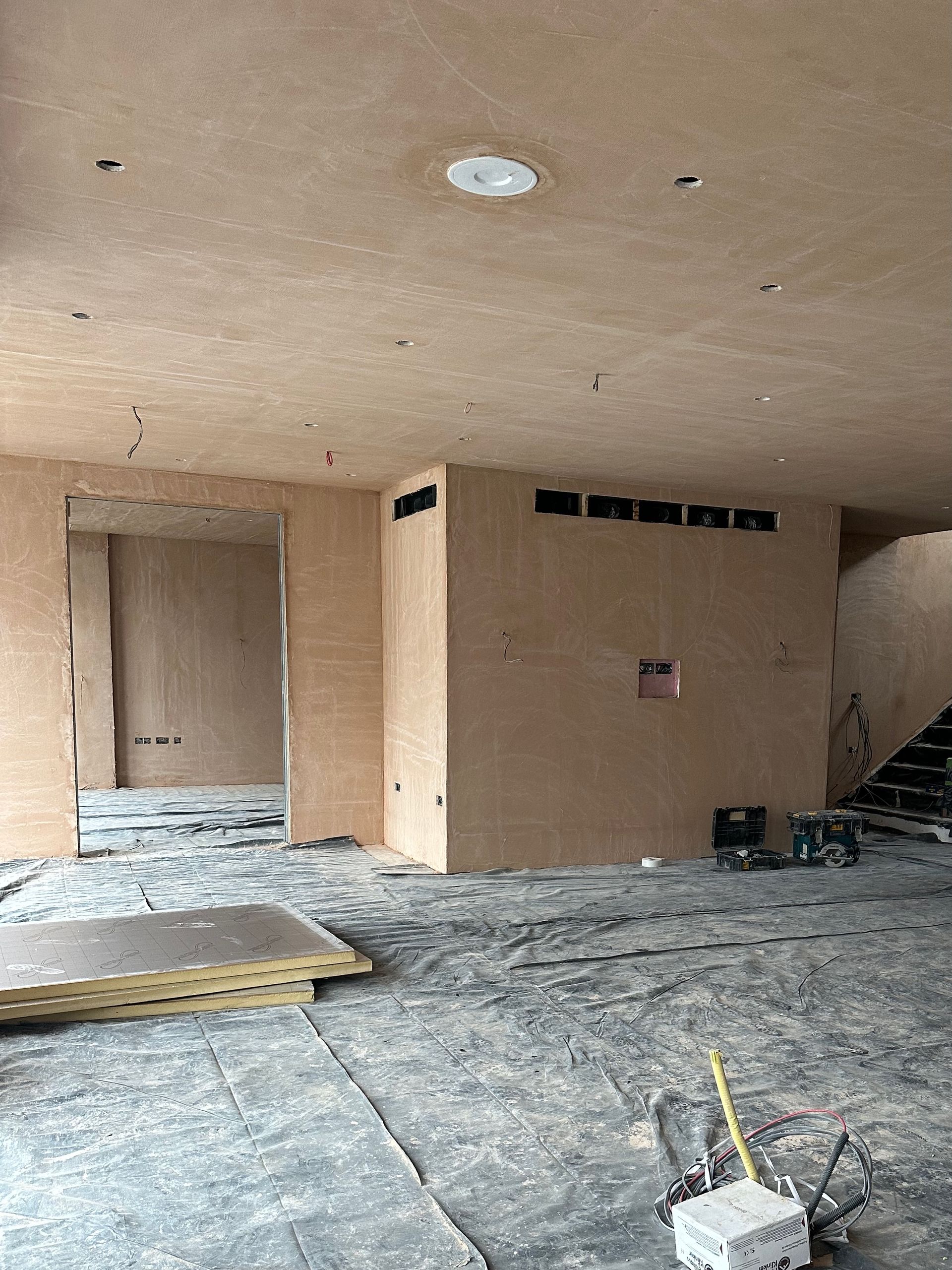
· Getting control systems and switching right
· Planning lighting early alongside design and layout
· Avoiding overuse of downlights
· Designing for maintenance and longevity
· External and transitional lighting
· Balancing natural and artificial light
1. Avoid Visible Light Sources and Glare
· You should not be looking directly at bulbs or harsh light sources in normal use
· Glare creates discomfort and makes a space feel clinical
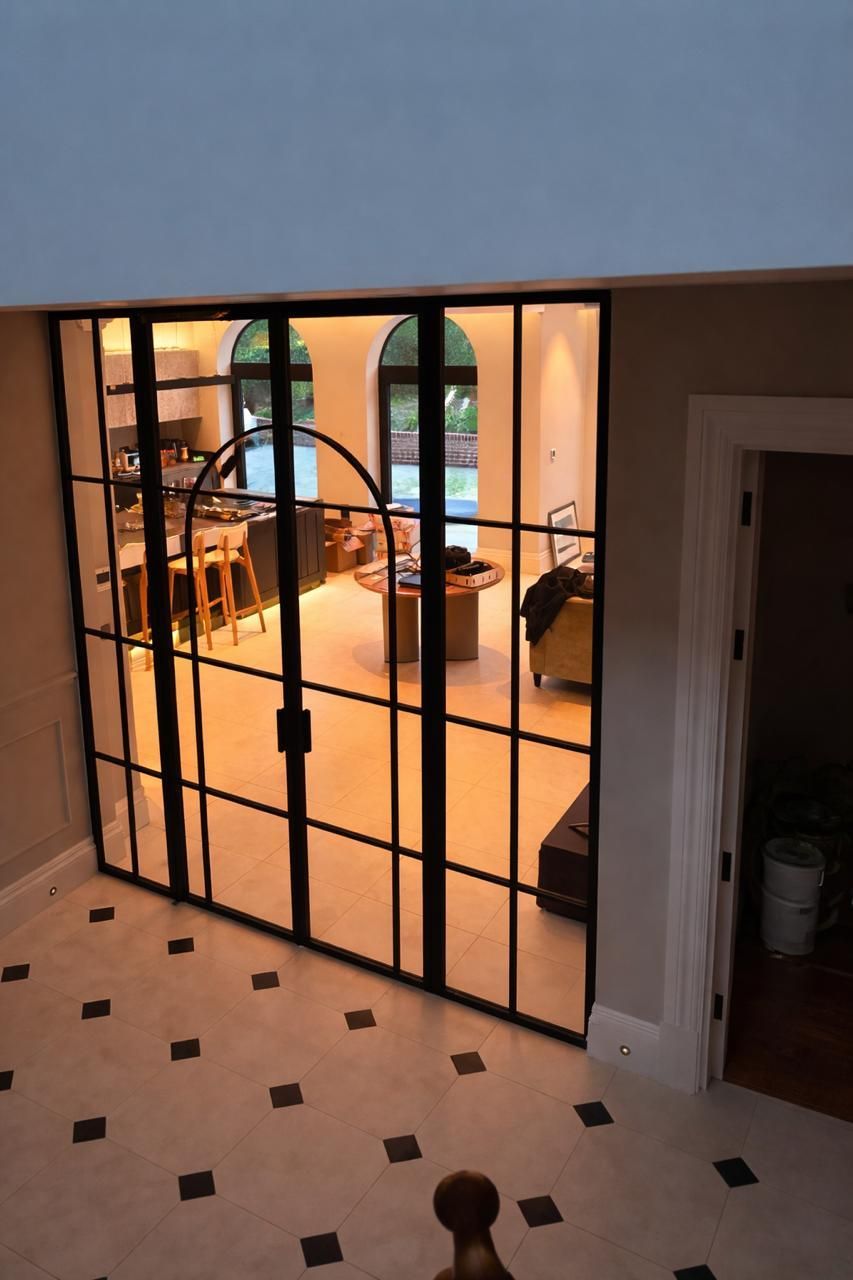
· Use recessed downlights, indirect lighting, and diffused wall lights
2. Get the Colour Temperature Right (2700K as Default)
· 2700K gives a warm, comfortable residential feel
· Cooler temperatures often feel harsh in living spaces
· Variation helps in kitchens, routines, and wellbeing scenarios
3. Decorative Lights Are Not Your Main Light
· Chandeliers and pendants add character but rarely provide sufficient usable light
· Treat them as decorative elements, not primary lighting
4. Task Lighting Is Critical
· Kitchen worktops need under-cabinet lighting
· Reading areas need directional lamps
· Bathrooms need front-facing mirror lighting
· Wardrobes benefit from internal lighting
5. Lighting Works Best in Layers
· Ground level lighting
· Mid-level lighting (most important)
· Ceiling level lighting
6. Where That In-Between Light Comes From
· Lighting within furniture and joinery
· Perimeter ceiling lighting directed at walls and surfaces
· Lamps and wall lights
7. A Simple but Powerful Trick: Lamp Circuits
· Use a separate 5-amp circuit
· Control from a single switch or system
· Create instant warm layered lighting
8. You Do Not Need Complex Systems (But They Help)
· Simple switching can achieve good results
· Control systems simplify use and reduce switches
· Good design comes first, control second
9. Control Matters as Much as the Fittings
· Multiple circuits
· Dimming
· Scene setting
10. Plan Lighting Early
· Coordinate with ceilings, joinery, and furniture
· Late decisions lead to compromises
11. Avoid Too Many Downlights
· Avoid grid layouts
· Use fewer, better positioned fittings
12. Design for Maintenance
· Consider access
· Use long-life LEDs
· Ensure drivers are accessible
13. External and Transitional Lighting
· Light entrances and paths carefully
· Avoid harsh floodlighting
· Use subtle indirect lighting
14. Balance Natural and Artificial Light
· Respond to daylight and orientation
· Avoid over-lighting
Final Thought
Lighting is not about fittings. It is about how a space feels. The difference between a well-lit home and a poorly lit one is not cost. It is thought.
Next Steps
If you are planning a renovation, extension or new build, lighting should be considered early and coordinated with your wider design team. At The Building Guidance Partnership, we help ensure these decisions are made properly from the outset.