
Decision Fatigue During Renovations – Why It Leads to Expensive Mistakes

Niket Kapur • 6 March 2026


A typical renovation requires hundreds of decisions. Flooring types, lighting layouts, door handles, paint colours and kitchen appliances all require careful consideration. While each decision may appear small, the cumulative effect can be exhausting.
 
This phenomenon is often called decision fatigue. As the number of decisions increases people naturally become less confident and more prone to rushed choices. In construction this can lead to expensive changes and delays.


Key Takeaways


Plan thoroughly before construction begins.


Ensure quotations and designs are clearly defined.


Maintain strong coordination between all professionals involved.


Why decision fatigue occurs


Most homeowners renovate infrequently, which means they are suddenly required to make complex design decisions in a very short period of time. Contractors also require answers quickly in order to maintain momentum on site.
 
Without preparation the pressure to decide can become overwhelming, particularly when family members hold different views about design preferences.


How it affects construction progress


Delayed decisions can slow down contractors and disrupt scheduling. In other cases homeowners may make quick choices simply to keep the project moving, only to regret those decisions later.
 
Late changes often involve additional labour, reordered materials and disruption to the build programme.


Ways to manage the process


The most effective strategy is to make as many design decisions as possible before construction begins. Mood boards, material samples and early consultations with designers can greatly reduce pressure later in the project.
 
A clear design direction provides confidence and helps prevent unnecessary changes during construction.


About The Building Guidance Partnership


The Building Guidance Partnership supports homeowners undertaking renovation, extension and refurbishment projects. By coordinating architects, engineers and builders we help reduce risk, control costs and keep construction programmes on track.


Next Steps


If you are planning a residential building project and want independent guidance to help avoid delays, cost overruns and technical problems, The Building Guidance Partnership can assist in coordinating the process.


Sunil K Radia

The Building Guidance Partnership

Telephone (020) 8076 3110

WhatsApp +44 7507 705376

www.theBGP.co.uk 


by Niket Kapur 6 March 2026
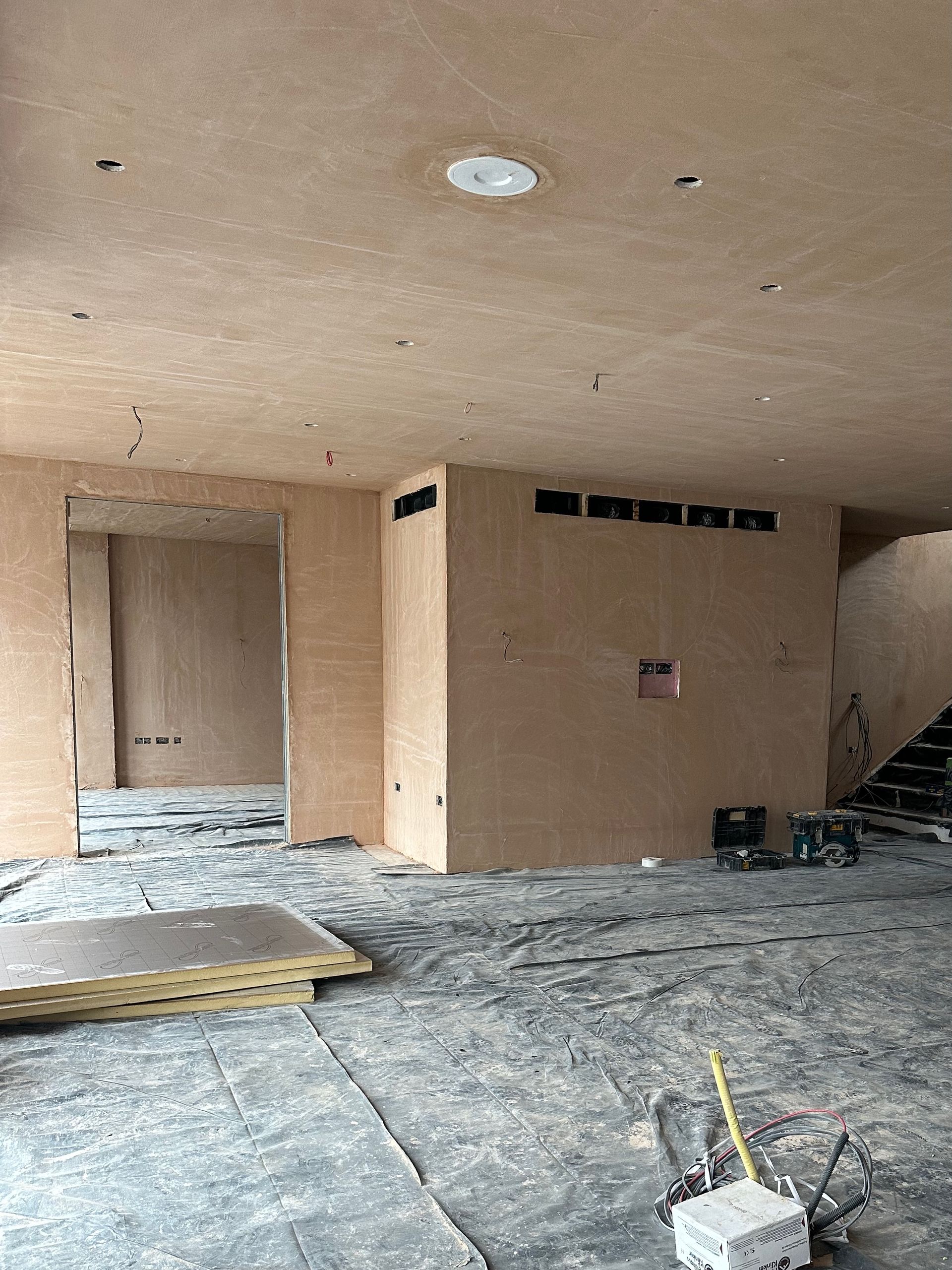
Construction projects rely not only on skilled tradespeople but also on organisation and coordination. Even the most experienced builder benefits from clear planning and structured project management. Without systems to manage schedules, documentation and communication, projects can easily drift off course. Key Takeaways Plan thoroughly before construction begins. Ensure quotations and designs are clearly defined. Maintain strong coordination between all professionals involved. The value of structured planning Detailed programmes of work allow trades to be scheduled efficiently and ensure materials are available when required. Risks of poor coordination When schedules are unclear trades may arrive at the wrong time or wait for preceding tasks to be completed, which wastes time and increases costs. How project management improves outcomes Clear communication channels, documented decisions and regular progress reviews help keep construction aligned with the original objectives. About The Building Guidance Partnership The Building Guidance Partnership supports homeowners undertaking renovation, extension and refurbishment projects. By coordinating architects, engineers and builders we help reduce risk, control costs and keep construction programmes on track. Next Steps If you are planning a residential building project and want independent guidance to help avoid delays, cost overruns and technical problems, The Building Guidance Partnership can assist in coordinating the process Sunil K Radia The Building Guidance Partnership Telephone (020) 8076 3110 WhatsApp +44 7507 705376 www.theBGP.co.uk

by Niket Kapur 6 March 2026
Two homes can appear identical yet feel very different to live in. Comfort is influenced not only by aesthetics but also by technical aspects of the building fabric. Insulation levels, airtightness and ventilation systems all contribute to temperature stability, energy efficiency and indoor air quality. Key Takeaways Plan thoroughly before construction begins. Ensure quotations and designs are clearly defined. Maintain strong coordination between all professionals involved. The importance of insulation Insulation slows the movement of heat through walls, floors and roofs. Well insulated homes remain warmer in winter and cooler in summer while requiring less energy for heating. Airtightness and ventilation Modern building standards encourage improved airtightness in order to reduce uncontrolled heat loss. However airtight buildings must also include proper ventilation to maintain healthy indoor air. Modern comfort solutions Technologies such as mechanical ventilation with heat recovery can supply fresh air while retaining warmth within the building, improving both comfort and efficiency. About The Building Guidance Partnership The Building Guidance Partnership supports homeowners undertaking renovation, extension and refurbishment projects. By coordinating architects, engineers and builders we help reduce risk, control costs and keep construction programmes on track.  Next Steps If you are planning a residential building project and want independent guidance to help avoid delays, cost overruns and technical problems, The Building Guidance Partnership can assist in coordinating the process. Sunil K Radia The Building Guidance Partnership Telephone (020) 8076 3110 WhatsApp +44 7507 705376 www.theBGP.co.uk
by Niket Kapur 6 March 2026
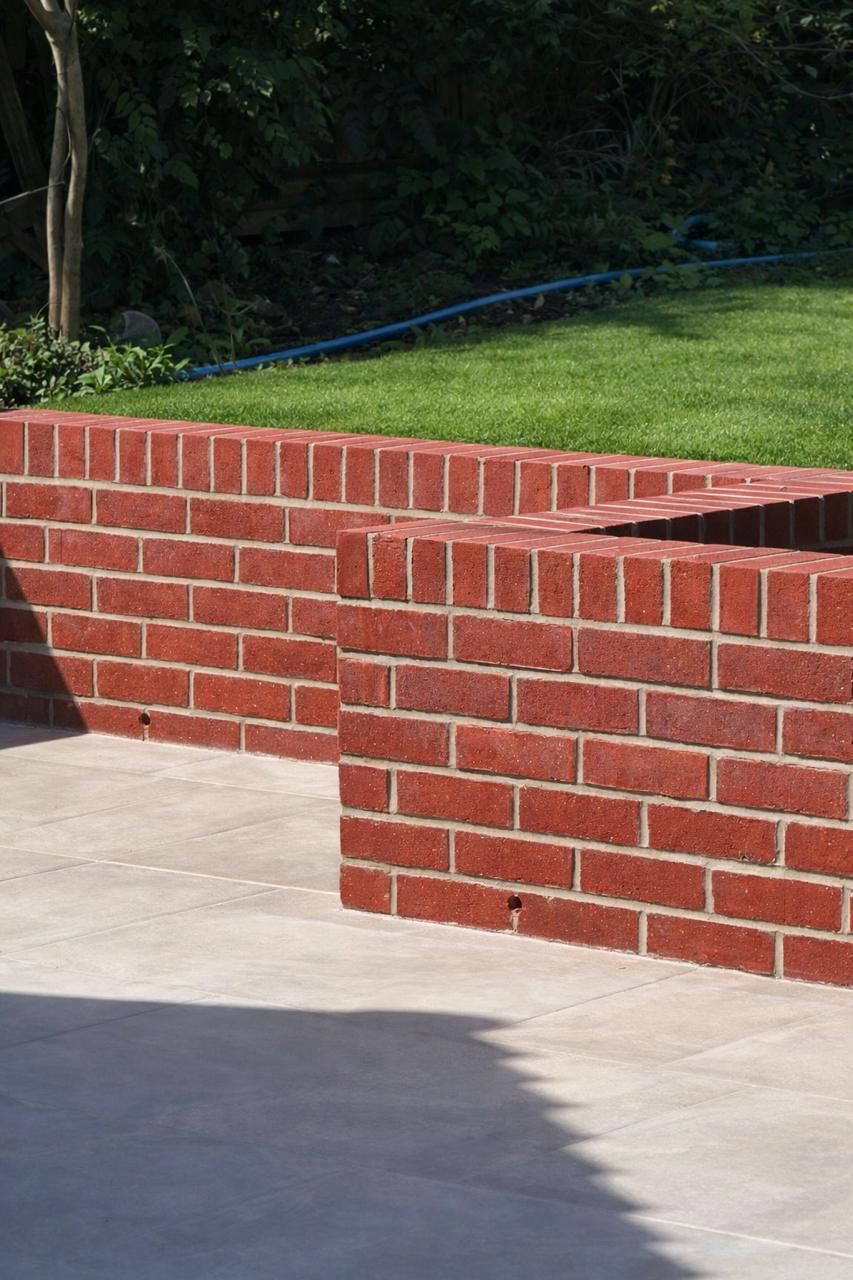
Personal recommendations are often the first step homeowners take when searching for a builder. While these referrals can be helpful, they should never replace proper due diligence. A builder who performed well on one project may not necessarily be the right fit for another. Different types of construction require different levels of experience and organisational capability. Key Takeaways Plan thoroughly before construction begins. Ensure quotations and designs are clearly defined. Maintain strong coordination between all professionals involved. Limitations of recommendations Projects vary widely in complexity. A contractor who excels at smaller refurbishment projects may struggle with a larger extension that requires complex structural work. How to evaluate a builder properly Homeowners should review examples of similar completed projects, speak to previous clients and confirm that the builder carries appropriate insurance. Why thorough checks matter Taking time to evaluate multiple builders allows homeowners to compare approaches, understand pricing structures and build confidence in their final choice. About The Building Guidance Partnership The Building Guidance Partnership supports homeowners undertaking renovation, extension and refurbishment projects. By coordinating architects, engineers and builders we help reduce risk, control costs and keep construction programmes on track. Next Steps If you are planning a residential building project and want independent guidance to help avoid delays, cost overruns and technical problems, The Building Guidance Partnership can assist in coordinating the process. Sunil K Radia The Building Guidance Partnership Telephone (020) 8076 3110 WhatsApp +44 7507 705376 www.theBGP.co.uk