The Plumber Who Was Only Trying to Help
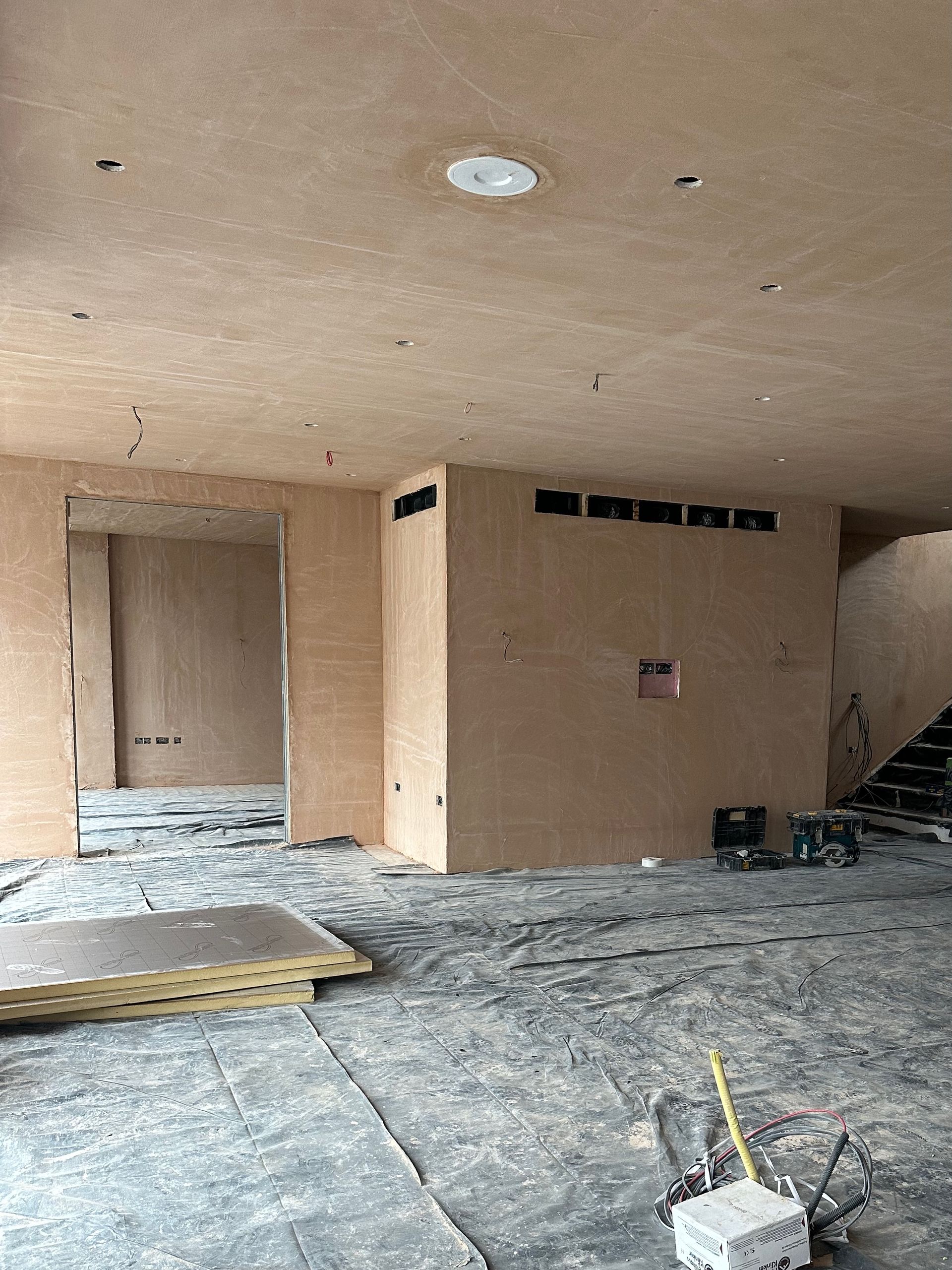
The call came in on a Thursday, not from the client but from the site itself. A flat refurbishment I was coordinating, one of several units within a converted house, had just lost a section of wall to fire. No one on site had done anything careless. That was the part that stayed with me.
The real situation
A few weeks earlier, the flat had suffered water ingress from a burst pipe. A run of industrial dehumidifiers went in to dry out the affected rooms before the plastering could continue. The units needed to run undisturbed for several days.
One of the plastering subcontractors, in for a single fixed day, needed to move a dehumidifier to reach a wall. He unplugged it, did the job, and had no reason to know it was mid cycle. A plumber working on the same flat saw the unit sitting disconnected, and felt he was helping by plugging it back in. He used the nearest socket, an extension lead already carrying another appliance, and reconnected the dehumidifier to it.
The overloaded lead ran hot overnight, unnoticed. By the time a smell of burning was picked up the following morning, the skirting and a section of stud wall had caught fire. The fire brigade attended. The flat needed significant remedial work before refurbishment could resume, and a full electrical inspection of the affected circuit before power could be reconnected at all.
No one involved acted carelessly. The plasterer wanted to get past an obstruction and did. The plumber was trying to be helpful and thought he was. I had briefed the drying regime properly to the firm running the dehumidifiers. What I had not done, because nothing had prompted it, was brief anyone else who might come into contact with the equipment.
What this actually shows
Any site with more than one contractor or subcontractor moving through it over time will have equipment left running unattended at some point. A drying cycle, a generator, a temporary power supply, anything installed as a workaround. If that equipment is not clearly labelled, clearly owned, and briefed to everyone who might reasonably encounter it, not just the firm that installed it, the gap sits there quietly until someone tries to be helpful. That is usually how these incidents happen. Not through recklessness, but through a kindness offered without the information behind it.
What to check on every project
1. Any temporary equipment introduced mid-project, drying equipment, generators, temporary power, is given a named person responsible for it, not just the firm that installed it.
2. The equipment itself carries a simple written instruction, not just a verbal briefing to whoever installed it. Anyone on site should be able to read what it is and what not to do to it.
3. Every new contractor or subcontractor arriving on site gets a short briefing covering anything currently running that they should leave alone.
4. The building contract or site instructions specifically address workaround equipment: who maintains it, who is responsible if it fails, and how that information reaches people who were not there when it was installed.
5. Site visits include a deliberate check for anything running unattended, not just a progress review of the visible work.
A final thought
I coordinate projects precisely so gaps like this do not stay invisible until something goes wrong. If you have more than one contractor moving through your site over time and want an independent set of eyes on how it is being managed, that conversation costs nothing to start.